


Ekki vs Opepe Timber: Which Constructional Hardwood Is Best for Your Project?...


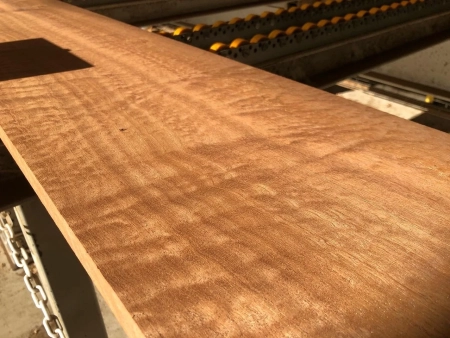
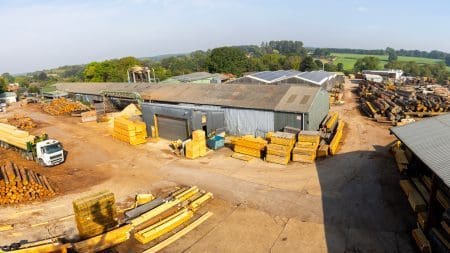
Construction Hardwood: Ekki vs Opepe
Looking Forward
At East Brothers, 130+ years in the timber business connect us to both traditional methods and modern innovations. We supply everything from heritage oak beams to contemporary engineered products.
Timber construction has consistently adapted whilst retaining the natural properties that make it uniquely suitable for building. It will continue to do so for generations to come.
Need timber for your construction project?
Contact our timber specialists today for advice, pricing, and lead times
The Backbone of Building: Timber’s Place in Construction History
Look around any historic city worldwide and you’ll see timber everywhere. Japanese temples, Scandinavian stave churches, American colonial houses, German half-timbered buildings – the list is practically endless. And we’re not just talking about buildings but their features, furniture, and more.
Despite all the modern materials available today, timber keeps proving its worth globally. In fact, many anthropologists argue that it was absolutely pivotal to our evolution as an intelligent species.
Let’s take a short walk through timber’s history and importance today.
Timber’s Ancient Origins
Humans have been building with wood since before we learned to write. The oldest wooden tools we’ve found – the Schöningen Spears – are 400,000 years old. By the time civilisations started keeping records, timber construction was already quite sophisticated.
It later became pivotal to the development of civilisation and trade. Ancient Egyptians imported cedar from Lebanon for their most important buildings. Romans developed joinery techniques so advanced that archaeologists still study them today.
Timber is obviously the ‘natural’ choice for construction, given its strong, hardy, and naturally replenishing qualities. But it’s also flexible and workable, and today we additionally value it for its aesthetics.
The Medieval Period
Medieval Europe took timber construction to new heights. Wood was the default building material for almost everything, from peasant cottages to grand cathedrals.
Medieval carpenters created the mortise and tenon joints we still use today. They often selected green oak, understanding that the wood would strengthen as it dried and lock the joints tight. The guild system meant these skills were passed down through generations of apprenticeships.
Many of their buildings – particularly churches and cathedrals with extensive wood frames – still stand today.
Before the turn of the Industrial Revolution, water-powered sawmills shifted timber production up a gear. Suddenly, you could produce standardised lumber in vast quantities and at consistent dimensions.
Steam accelerated this process even further, and railways made long-distance timber transport economically feasible. Quality timber construction became accessible to more than just the wealthy.
Why Timber Still Works
Throughout history, timber has kept delivering consistent physical advantages:
- Outstanding strength-to-weight ratio for structural applications
- Natural insulation properties that complement modern energy requirements
- Easy to work with both hand tools and precision machinery
- Adapts to different architectural styles and building methods
Modern engineered timber builds on these natural properties, overcoming historical limitations through technological advancements. But classical techniques certainly still have their place in construction and furniture making.
In fact, timber has made a remarkable comeback in recent decades, particularly as well-regulated forestry rules pave the way for sustainable management, thus consolidating the strengths of this natural building material while protecting the environment that produces it.
Looking Forward
At East Brothers, 130+ years in the timber business connect us to both traditional methods and modern innovations. We supply everything from heritage oak beams to contemporary engineered products.
Timber construction has consistently adapted whilst retaining the natural properties that make it uniquely suitable for building. It will continue to do so for generations to come.
Need timber for your construction project? Contact our team to discuss how our experience can support your project.
Why Trade Professionals Choose East Brothers for Timber Supply
Why Trade Professionals Choose East Brothers for Timber Supply
Construction projects move fast. They demand timber that arrives on time, meets specifications exactly, and won’t cause problems down the line. When a project timeline depends on your materials, there’s no room for suppliers who promise the world but deliver headaches.
East Brothers has been supplying trade professionals since 1886, which means we’ve learned what matters most – reliability, quality, and understanding the pressures you face on every job.
Here’s why joiners, builders, and manufacturers keep coming back to us for their timber needs.
Full-Service Timber Solutions Under One Roof
Most timber yards buy in finished products and hope for the best. We control the entire process, from log to finished timber, which means we can guarantee the quality of what you’re receiving.
Our sawmill handles everything from precision cutting structural beams up to 14 metres long to detailed custom profiling.
Need construction timber kiln-dried to specific moisture content? We handle that in-house using our own woodchip-heated kilns. Want custom mouldings or specialised profiles? Our advanced machinery can machine timber up to 10 metres long, 400mm wide, and 300mm high.
Integration means faster turnaround times, consistent quality, and the flexibility to handle bespoke requirements that would challenge other trade timber suppliers.
Graded Timber You Can Trust
BS 1186 grading standards exist for good reason – they ensure timber performs as expected.
We grade our timber to these standards because trade professionals need materials they can stake their reputation on.
Whether you’re specifying custom size structural beams graded to C24 for load-bearing applications or joinery timber for high-end fitouts, our grading process ensures consistent quality across every delivery.
This matters when you’re quoting jobs months in advance and need confidence that materials will arrive exactly as specified.
Sustainable Timber Sourcing That Makes Sense
We source timber in two ways, both designed around reliability rather than just price. Our locally sourced timber comes from woodlands within 50 miles average of our Hampshire sawmill, drawing on relationships with Forestry England and local estates built over generations.
For imported timber, we collaborate with established suppliers from Europe, Africa, and South America who are familiar with our stringent quality requirements. We offer sustainably sourced timber that meets FSC, PEFC or Grown in Britain certification standards, ensuring traceability and responsible forestry practices.
Our dual sourcing means we can supply what you need when you need it, without the supply chain disruptions that plague single-source operations.
Services That Solve Real Problems
Trade professionals face practical challenges that we help solve:
For large structural work:
- Beams up to 14 metres long with sections up to 650mm x 650mm
- Precision cutting for complex structural requirements
- Custom lengths that eliminate on-site joining
Precision joinery requirements:
- Custom profiles machined to exact specifications
- Consistent moisture content through controlled kiln drying
- Surface finishes ready for immediate use
Our machinery and expertise bring in-house processes that would otherwise force you to multiple suppliers.
Local Relationships, Professional Service
Being family-run since 1886 means we understand the importance of long-term thinking. We’d rather solve your problem properly than make a quick sale.
Our team understands construction timelines, project pressures, and the importance of materials arriving exactly when promised.
Proven Track Record
Trade professionals choose East Brothers because we understand their business pressures and deliver accordingly. Reliable supply, consistent quality, and service that makes their jobs easier rather than harder.
Need a timber supplier who understands trade requirements? Contact our friendly team to discuss your specific needs and discover why professionals have trusted us since 1886.
Why Order Sawn To Size Timber – This May Suit Your Business
Experience the Luxury of Ready-to-Use Straight Timber
Imagine the convenience of having perfectly straight timber delivered directly to your workshop — ready to use. Over the years, this concept has taken many names: Parallel Timber, Sawn Two Square Edges, Multi-Ripped, and more.
But this product is different.
At East Brothers, we use a unique process where boards are clamped to a fixed bed and cut with a moving saw, rather than feeding the timber through. This results in exceptionally straight boards with minimal waste — the precision laser and saw together remove only around 5 mm.
Whether it’s Sapele, Iroko, Utile, or Oak, your pack can be section-sized to order, producing boards that are ready for planing. The edge finish is so precise it looks and feels planed straight off the saw.
The benefit? Your joiners save valuable hours on straightening, allowing them to focus on what they do best — crafting high-quality joinery.
We’re confident that once you try this process, you’ll never want to go back. Why not order a sample pack and see for yourself?
Custom Widths to Suit Your Work
A random-width pack of Sapele or Utile can be cut to multiple widths for maximum efficiency.
For example, a 63 mm-thick pack could be sectioned into 75 × 63, 100 × 63, 120 × 63, 150 × 63, and 200 × 63 mm sizes — ideal for window and door manufacturing.
Gate manufacturers can also benefit from Iroko sawn precisely to the widths they need — something not easily achieved with such species.
Our Current Offer
We’re currently offering custom ripping to your specified widths at no extra cost — you only cover the waste, which we assure you is far less than if done in-house.
Key Benefits
-
Perfectly straight, high-quality two-edge finish
-
Minimal waste thanks to laser-guided circular sawing
-
Custom widths to suit your specifications
-
Reduced labour costs in your joinery workshop
Contact Us
West Dean Sawmills, Salisbury, Wiltshire SP5 1JA
Tel: 01794 340 270 | Email: mail@eastbros.co.uk
Timber Choice Part 1: What Can British Woodlands Offer When You Are Looking For Timber
There’s something deeply satisfying about selecting the perfect timber for your project.
The right wood brings character and beauty, but are you aware of what your local woodlands can offer? There are many options, each with distinct advantages that might make them perfect (or problematic) for your project.
Read on to explore the key differences to help you make an informed decision for your next woodworking, construction or joinery project. The most obvious benefit is environmental. Using locally sourced timber dramatically reduces the carbon footprint of your project – no long-distance shipping means fewer emissions.
The Appeal of British Timber
British woodlands produce some exceptional timber species that have been used in construction and fine woodworking for centuries. European oak, ash, Douglas fir and other home-grown timber options offer distinct advantages.
British timbers that we currently and have previously produced include:
- European oak – Oak has been the go-to choice in the UK for centuries. Oak has been used in almost anything wood can be used for. It is strong, durable and beautiful. It’s used in shipbuilding, timber frames, frame housing and carports, wine barrels, fine furniture, flooring, fencing, garden sleepers and much more. While Oak is often seen as the default choice, other species may be more suitable depending on the project.
- European ash – Ash is as strong and as attractive as oak. It is also more cost-effective. The main downside to ash is that, without modification, it is not durable; therefore, it is not suitable for external applications. Common uses include flooring, handles, and internal joinery. With modification, external cladding.
- Douglas fir – Douglas fir is a great all-rounder, not as durable or as strong as oak, but is much more predictable and is easier to work with, especially when cutting large section beams, while being at a fraction of the cost of oak. Douglas fir is not suitable for ground contact without treatment. Common uses are construction beams, railway work, cladding, flooring, docking blocks and many more
- Larch – UK-grown Larch is strong but is only moderately durable. It can be unpredictable in lengths exceeding 4 meters which may limit application. However, this product is excellent for cladding, construction, boat building and flooring
- UK-grown Western red cedar – Although the same species as the timber supplied from North America, it does not have the same appearance. What is commonly exported from North America is old-growth material. The UK material is more similar to the plantation or second-growth material from North America. It is lighter in colour, has wider growth rings and rarely comes free of knots. UK cedar is a good replacement when you are after cedar cladding but are conscious about the product’s carbon footprint and want to leave the old-growth trees for wildlife. Cedar excels as cladding but is not considered structural and indents easily.
- Pine – East Brothers cut both a Corsican and Scots pine, a robust, stable and widely available softwood. We mainly produce fencing and sleepers, as pine is great at absorbing treatment. East Brothers typically cut pine for these uses, but can customise it for other applications if needed.
- Spruce – Spruce is light in weight and light in colour. The trees can become very large so we can offer a range of sizes. East Brothers have used spruce for packaging requirements, crane mats, commercial shelving and other bespoke projects. If you require spruce, please contact us with your requirements.
- Sycamore – Sycamore features a pale cream colour, and though not highly durable, the hardwood is suitable for furniture and kitchenware. Sycamore has a fine grain which makes it easy to work and finish. Occasionally, the grain in sycamore can be rippled, which can make sycamore hard to work, but if done right, it can have the most amazing pattern and can really increase the value of a product.
- English Walnut – Walnut features a deep rich brown colour and often striking swirling and curling grain patterns. English walnut is not very common, but from time to time, trees become available. English walnuts’ uses would include high-end furniture and gun stocks
- Beech –Beech is another light, tight-grained wood which has great strength and impact resistance. Beech’s weakness is its lack of durability and stability. Beech is suitable for cutting boards, work benches, handles, and furniture.
- Poplar – Poplar, when dry, has a great strength-to-weight ratio. It is not durable, so it is not suitable for long-term outside use. Poplar is quite unpredictable, so I would struggle to recommend it. However, it can be improved with thermal modification and used for cladding.
- Western Hemlock – UK-grown Hemlock is a very underused timber. We can source large trees so that wide boards can be produced. It is very easy to dry and is stable. This timber should be considered for internal furniture and carpentry
- Lawson Cypress Rarely used but available when needed, we’ve supplied Lawson Cypress for packaging and even bespoke beams for constructional uses. If you’re looking for something unusual or have a specific UK-grown species in mind, let us know, and we may be able to help!
Making Your Choice: Factors to Consider
When deciding on the timber for your specific project, consider these key questions:
- Durability requirements – Will the timber face challenging conditions requiring exceptional natural resistance?
- Visual preferences – Do you need the specific aesthetic qualities of certain species?
- Budget constraints – Is the potentially higher cost of tropical timber justified by your application?
- Workability needs – Will you be hand-working the timber or using machines, and how might density affect this?
There’s rarely a universally “best” choice – the right timber depends on your specific project requirements, values and constraints.
Expert Guidance for Your Timber Selection
The world of timber is complex, with each species offering unique characteristics and best-use cases. At East Bros Timber, our team understands the nuances of both local and tropical timber.
We can help you understand your choices to find the perfect material for your specific project.
The Role of Sustainable Timber in Eco-Friendly Construction
ere ar Sustainable timber – it’s a tantalising idea – but what does it really mean for timber to be sustainable? To understand sustainable timber, you must first understand what sustainability means.
Sustainability means meeting today’s needs without harming tomorrow’s. Through responsible forestry—replanting, natural regeneration, and careful management—we ensure every tree we harvest is replaced for the future.
Eco-Friendly Construction
What is eco-friendly construction? We interpret it to mean considering the environment as much as the quality, cost of buildings and other construction projects. Sourcing from forests that are managed with the long-term health of the ecosystem in mind.
Timber is an eco-friendly choice for construction due to its numerous environmental benefits. Timber can be replanted and regrown as a renewable resource, unlike non-renewable materials like concrete and steel.
Trees also capture carbon as they grow, and this carbon stays locked away when the wood is used in buildings and construction.
Extracting timber to produce building materials can be done sensitively alongside nature, taking careful steps to maintain biodiversity, protect wildlife habitats, and promote the natural regeneration of trees. There is also no need for lots of chemicals or water when producing timber or digging big open mines.
Timber production uses every part of the log, there is no wastage. Co-products are produced for biofuel, chipboard, animal bedding, garden products, etc. Timber can also be recycled, or at the end of its useful working life, timber will biodegrade meaning it can decompose naturally without harming the environment. This reduces the impact on landfills and promotes a circular economy.
Putting Sustainable Timber to Work
Sustainable timber can be used in a broad variety of construction applications, such as:
- Construction timber like beams and trusses can be made from sustainably sourced wood, creating a strong and eco-friendly structure.
- Timber cladding is a great way to add a natural, attractive finish to a building’s exterior and improve insulation.
- Sustainable timber flooring is not only beautiful but also renewable and biodegradable, unlike synthetic options.
- From windows and doors to interior trim, sustainable timber can be used for all kinds of joinery and finishes, adding warmth and character to any space.
By smartly incorporating sustainable timber into construction projects, we can create buildings that are not only better for the planet but also beautiful and long-lasting. It’s a win-win scenario!
Building a Greener Future
By supporting responsible forestry practices and choosing sustainable construction timber, we can all play a part in reducing the environmental impact of the built environment.
Here at East Brothers we have options for locally sourced timber, long-lasting/durable timber and certified (FSC/PEFC/GiB) timber.
We are proud to be a leading timber supplier to the trade and committed to promoting sustainable practices in the industry.
If you have questions or inquiries about our timber products, please contact the friendly team today.
Sapele vs Accoya: A Comparison of Solid Wood & Modified Alternatives
Sapele vs Accoya: A Comparison of Solid Wood & Modified Alternatives
When you’re selecting the perfect wood for your project, whether it’s for wood for windows and doors, wood for cladding, or wood for decking, the choice between traditional timber or a modern modified alternative can be tough. This is becoming increasingly confusing as new options of modified wood become increasingly available.
Two popular options that frequently contend this debate are Sapele, a naturally durable tropical hardwood, and Accoya, a modified wood derived from fast-growing pine.
Read on as we explore the pros and cons of each option, so you can make the best possible decision for your project.
Sapele: A Naturally Durable Hardwood
Sapele (Entandrophragma cylindricum) is a tropical hardwood native to the rainforests of West Africa.
Known for its striking resemblance to Mahogany, Sapele has been a go-to choice for woodworkers for decades. Its rich, reddish-brown hue and fine grain make it a highly sought-after choice for a broad range of applications, including:
- Furniture wood
- Cabinetry wood
- Woodworking wood
- Joinery wood
- Decking wood
- Shipbuilding wood
- Sliced and sawn veneer
- Wood for staircases
It is classified as moderately durable, with a Class 3 durability rating, making it well-suited for both interior and exterior use. Its natural durability eliminates the need for preservation treatments, as the wood’s low permeability makes it resistant to such processes.
Sapele is sourced from natural forests in a well-managed single tree selection system. This process works with nature, allowing natural forests to remain and still provide economic value to their local community and governments.
Accoya: A Modified Softwood Alternative
Accoya, on the other hand, is not a specific tree species but rather a brand of modified wood. It begins as a fast-growing pine (Pinus Radiata) harvested from intensely managed plantation forestry. Using plantation forestry means natural forests can be left untouched.
The timber then undergoes chemical modification using an acetylation process with acetic acid. This changes the wood from being hydrophilic to hydrophobic, meaning that it no longer attracts water, resulting in an exceptionally stable and durable material.
Accoya is modified to its core and boasts a Class 1 durability rating, surpassing even the best hardwoods in terms of durability.
This acetylated wood is highly resistant to decay, insects, and moisture, making it an excellent choice for outdoor applications and projects requiring long-term stability.
Comparing Sapele and Accoya
When considering solid wood vs engineered wood or modified alternatives like Accoya, it’s essential to weigh the advantages and disadvantages of each option:
- Durability: Accoya is the winner when it comes to durability, but it is reliant on chemical modification. Sapele is less durable, but with good design and good construction technique, it is more than adequate for most applications. Sapele is also not reliant on chemicals for its durability.
- Strength: Sapele has greater strength. Accoya is pine, and although the acetylation process improves how the wood reacts with water, it does not improve the strength of the timber.
- Aesthetic appeal: Sapele’s rich, warm tones and attractive grain pattern give it a superior aesthetic appeal to Accoya, which will generally have a painted finish when used for joinery.
- Workability: Sapele is easier to work with and finish thanks to its even texture and moderate hardness.
- Dimensional stability: Accoya’s modification process results in greater dimensional stability. Sapele does rely on good joinery techniques to work with wood’s movement. Although not as good as Accoya, Sapele has one of the best stability ratings when it comes to using natural timber.
- Cost: Sapele being the simpler of the two products, comes in much cheaper generally.
- Use of hardware: As a hardwood, Sapele offers better screw retention compared to the modified softwood Accoya. We would always recommend the use of good stainless steel fixing, but this is very important when it comes to Accoya, as if you don’t, you will find the acid in the chemical will eat away at your hardware.
Making Your Decision
Both timbers will produce a fine end product. Ultimately, the decision between Sapele and Accoya depends on your specific project requirements and priorities. Sapele is available in more random sizes and 25mm-100mm thickness, which may make a difference depending on the end specification required.
At East Brothers, we offer a vast range of timber – including high-quality sapele wood for sale. We’ve been in the industry since 1886 and offer a range of valuable services such as planing, moulding, sawing, kilning, and more.
Feeling confused or still aren’t sure of what wood will suit your project? Simply contact us – we’ll help you select the perfect timber for your needs.
The Journey of a Timber Beam: From Forest to Construction Site
The Journey of a Timber Beam: From Forest to Construction Site
Every piece of wood has a story that starts long before it reaches the timber yard, and, ultimately, the building or piece of furniture it’s used to construct.
As family-run timber merchants with more than 100 years of experience, we watch this process unfold daily – from the careful selection of trees to the final delivery at building sites across the country.
Ever wondered how a tree becomes the timber in your home? Or why some wood travels thousands of miles while other pieces come from forests just down the road?
Let’s follow the journey from forest to building site and discover what makes timber such a special building material.
The Art of Selection
There is a myriad of different forms of timber, all with unique aesthetic characters and physical characteristics.
European Oak is grown in managed British and European woodlands and is renowned for its durability and character, while imported timber like sapele offers rich colour and exceptional stability. Each species has unique properties that make it perfect for specific uses.
Our locally sourced softwood includes Douglas Fir, Larch and Western Red Cedar, prized for their strength and natural resistance to decay
Pine on the other hand offers versatility and cost-effectiveness for everyday construction needs. Before any tree is harvested it must meet our very stringent specification on timber quality. Throughout the milling process it is assessed for its suitability for construction grades of timber.
From Forest to Mill
At our sawmill in Wiltshire, each log begins its transformation. First, we conduct a detailed assessment, analysing knot patterns, grain direction, and potential stress points.
Performing careful examination on a log-by-log basis helps determine the best cutting pattern to maximise both quality and yield.
We combine modern scanning technology to best utilise each sawn board. This combined with over a century of expertise ensuring the highest quality timber possible.
The Science of Seasoning
Fresh-cut construction timber contains high levels of moisture that must be carefully reduced.
Our kiln-drying process follows strict schedules, tailored to each species and timber size. Oak requires different drying from Pine, and thick beams need extra care compared to planks.
This controlled drying prevents warping and splitting while enhancing the timber’s natural durability. It can take weeks or months, but it’s essential for creating stable, reliable building materials.
Precision and Grading
As trade timber suppliers, we understand that accuracy matters. Every piece of timber goes through multiple stages of machining and grading.
Our advanced planing equipment can handle beams up to 10 meters long, creating precise dimensions and smooth finishes.
Each piece of sustainable timber receives a careful visual and mechanical stress grade. We assess factors like:
- Grain pattern and direction
- Knot size and placement
- Growth ring density
- Natural characteristics that affect strength
- Surface quality and finish
Environmental Responsibility
We hold FSC, PEFC and Grown in Britain, as well as forest management expertise to reflect a deeper commitment to forest sustainability.
We track every load that comes into the sawmill, ensuring it comes from responsibly manage sources.
This careful consideration and control means that customers can be sure of their materials environmental credentials.
Specialised Processing
We don’t just process standard sizes. Custom cutting, planing, and profiling services let architects and builders create unique specifications.
Whether you’re searching for massive oak beams for barn conversions or precise joinery timber for high-end carpentry, we can deliver exactly what you need.
From Yard to Site
The final stage involves careful handling and delivery. Timber needs protection from weather and appropriate and safe support during transport.
Our team ensures materials arrive in perfect condition, ready for immediate use on site.
Finest-Quality Timber from East Brothers
Sustainably sourced timber isn’t just about environmental responsibility – it’s about creating buildings and furniture that stand the test of time.
Properly selected and processed timber develops character over time, becoming more beautiful with age while maintaining its structural integrity.
East Brothers has refined our processes over a century, combining traditional expertise with modern techniques and cutting-edge technology.
Contact us to discuss your specific requirements and discover how our timber products can support your project’s success.